Automatic Luxury Watches: The Definitive 2026 Collector's Guide
Discover the mesmerizing world of automatic luxury watches in 2026. Learn how kinetic energy powers these mechanical masterpieces and how to start your first high-end collection with confidence.
Apr 19, 2026 - Written by: Brahim amzil
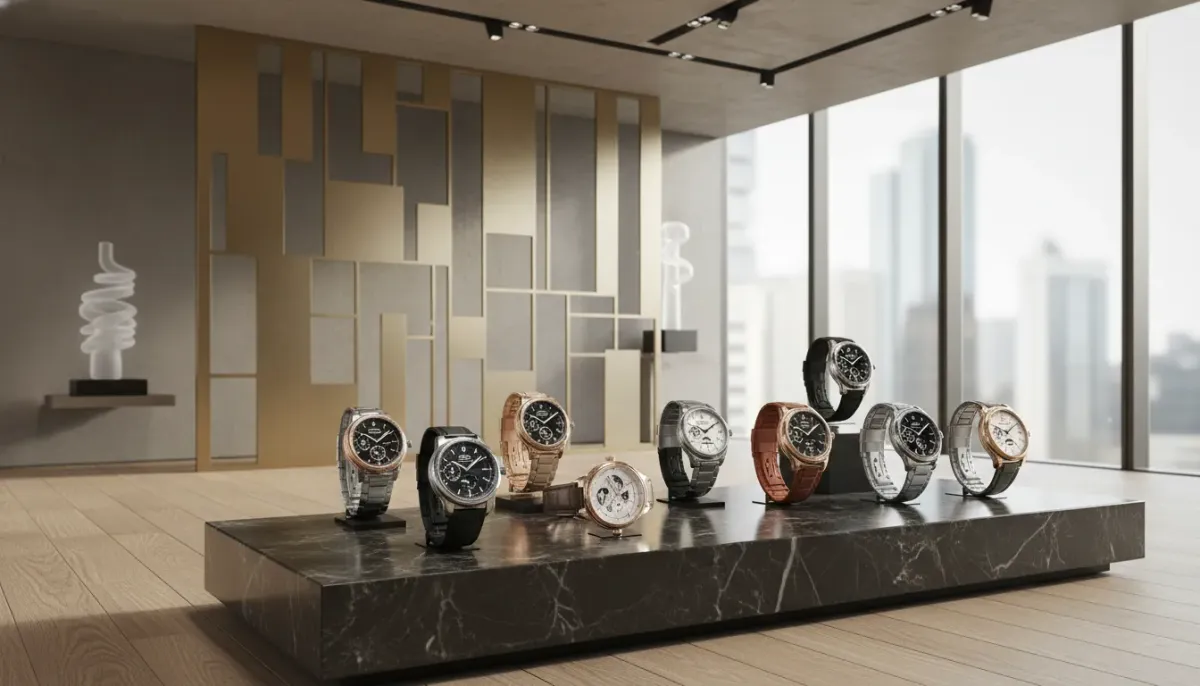
Automatic luxury watches are premium, battery-free timepieces powered entirely by the kinetic energy of the wearer’s wrist. Inside the case, a semi-circular weighted rotor spins with your natural arm movements, winding a tightly coiled mainspring that stores and gradually releases energy to precisely drive the watch’s hands. Renowned for their intricate mechanical craftsmanship, rich horological heritage, and use of exquisite materials, these watches serve as enduring pieces of wearable art rather than just simple tools for telling time.
There is a distinct pulse to an automatic timepiece. You can feel it. Hold a high-end mechanical watch to your ear, and you won’t hear the hollow, lifeless tick of a quartz battery. You’ll hear a rapid, rhythmic heartbeat. A frantic, beautifully orchestrated dance of tiny gears, springs, and synthetic rubies working in perfect unison.
We live in a world obsessed with the digital. Our phones update automatically. Our smartwatches buzz with emails. Yet, amidst all this disposable tech, the demand for automatic luxury watches has never been stronger. Why? Because they represent permanence. They are miniature engines of eternity that can, with proper care, easily outlive you.
Let’s dive deep into what makes these fascinating wrist-bound machines the ultimate statement of style, engineering, and personal achievement.
The Heart of the Machine: Demystifying the Movement
You don’t need a degree in mechanical engineering to appreciate what’s happening under the sapphire case back of your watch, but understanding the basics certainly deepens the romance. At its core, the movement of an automatic watch is a marvel of micro-engineering.
The Rotor and the Mainspring
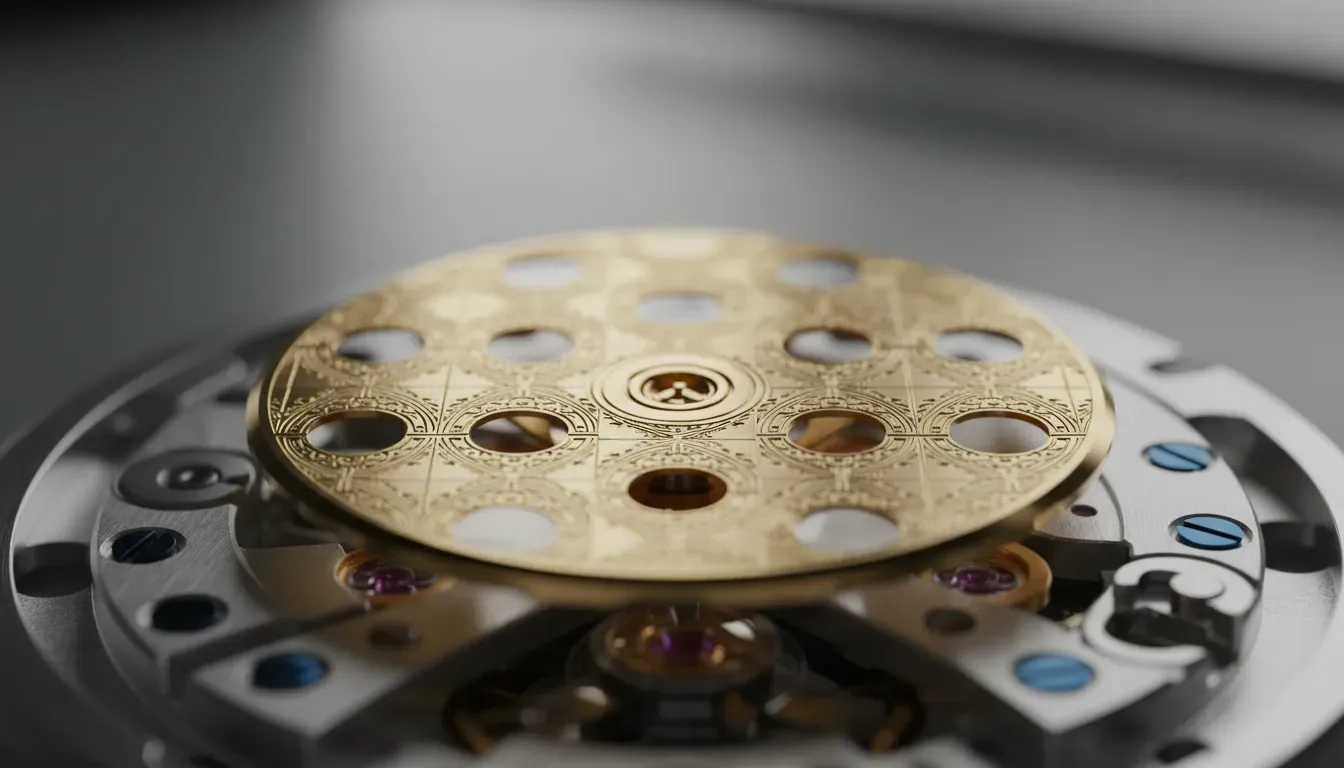
Imagine a tiny, half-moon shaped weight sitting on top of a complex gearbox. That’s the rotor. As you walk, type, or reach for a coffee, gravity pulls that rotor downward. It spins freely. This spinning motion is captured by a series of gears that slowly tighten a long, incredibly thin strip of metal called the mainspring, which lives inside a tiny barrel.
This is the power plant. The tension in that mainspring is what drives the entire watch. If you take the watch off and let it sit on your dresser, it will eventually stop once the mainspring unwinds completely—usually after 38 to 72 hours, depending on the watch’s power reserve.
The Escapement: Controlling the Chaos
If the mainspring were allowed to just uncoil, the hands of the watch would spin wildly out of control, and your watch would exhaust its energy in seconds. That’s where the escapement and the balance wheel come in.
The balance wheel swings back and forth, usually around 28,800 times an hour in modern automatic luxury watches. Every swing releases a microscopic burst of energy from the mainspring through a specialized gear called the escape wheel. That “tick-tick-tick” sound? That is the physical sound of energy being meted out, fraction by fraction, pushing the second hand forward in a smooth, sweeping motion.
If you want to understand how this intricate dance compares to standard battery-powered pieces, take a look at our detailed breakdown on mechanical vs quartz movements.
Why We Crave Automatic Luxury Watches
Let’s get something straight right now. Nobody actually needs a $10,000 watch to tell the time. Your microwave tells perfect time. The allure of automatic luxury watches goes far beyond mere utility.
The Romance of Craftsmanship
Look closely at the dial of an Audemars Piguet or the polished bevels of a Grand Seiko. You are looking at hundreds of hours of human labor. Master watchmakers train for decades to be able to assemble the hundreds of microscopic components that make up an automatic chronograph.
There is soul in that metal. Hand-applied indices, blued-steel screws heated over an open flame to achieve the perfect sapphire color, and bridges polished with rare woods. It’s an intimate art form that you get to strap to your wrist. In an era where everything is mass-produced by robotic arms, a hand-finished mechanical watch is a defiant celebration of human skill.
Value Retention and Generational Wealth
Try passing an Apple Watch down to your grandson in fifty years. It’s a laughable concept. The battery will be dead, the software obsolete, the charger lost to history.
Automatic luxury watches, on the other hand, are designed to endure. Brands like Patek Philippe famously build their marketing around the idea that you never actually own their watches; you merely look after them for the next generation. And from a financial perspective, certain automatic pieces actually appreciate in value. Try walking into an authorized dealer today and asking for a steel Rolex Daytona. You’ll be met with polite laughter and a multi-year waitlist.
This scarcity creates a robust secondary market. For many collectors, buying into high-end mechanical horology is an alternative asset class. If you are curious about navigating this specific market, our guide on investing in Rolex watches provides a solid starting point.
While you are building your collection, keeping your timepieces running when not on your wrist is crucial. A high-quality winder mimics the motion of the human wrist. We highly recommend looking into the Wolf Heritage Single Watch Winder to keep your automatic movements properly lubricated and ready to wear.
The Titans of Horology: Brands That Define the Space
Navigating the landscape of automatic luxury watches can be overwhelming. There are hundreds of brands, ranging from independent boutique watchmakers producing ten pieces a year to industrial giants pumping out nearly a million.
The Holy Trinity
In the esoteric circles of watch collecting, three Swiss brands sit on Mount Olympus. They are collectively known as the “Holy Trinity” of watchmaking:
- Patek Philippe: The undisputed king. Known for their staggering complications and conservative, timeless elegance. The Nautilus and the Calatrava are absolute icons.
- Audemars Piguet: Famous for shattering industry norms in the 1970s with the Royal Oak, a steel sports watch that cost more than gold. They brought bold, angular, industrial design to high horology.
- Vacheron Constantin: The oldest continuously operating watchmaker in the world. They offer an unmatched level of finishing and an understated class that speaks to the true connoisseurs.
The Heavyweight Champions
You can’t talk about automatic luxury watches without acknowledging the brands that actually drive the industry’s global popularity.
Rolex: The crown. Rolex doesn’t do the wildly complex movements of Patek Philippe. Instead, they do one thing perfectly: build indestructible, wildly accurate, perfectly proportioned sports watches. The Submariner, the GMT-Master II, the Datejust. These are the gold standards against which all other watches are measured.
Omega: Rolex’s eternal rival. Omega has a history that arguably eclipses the Crown. They went to the moon. They time the Olympics. They are strapped to James Bond. Their Co-Axial escapement technology is a genuine revolution in automatic watch accuracy, vastly reducing friction inside the movement.
Starting Your Own Collection: A Buyer’s Blueprint
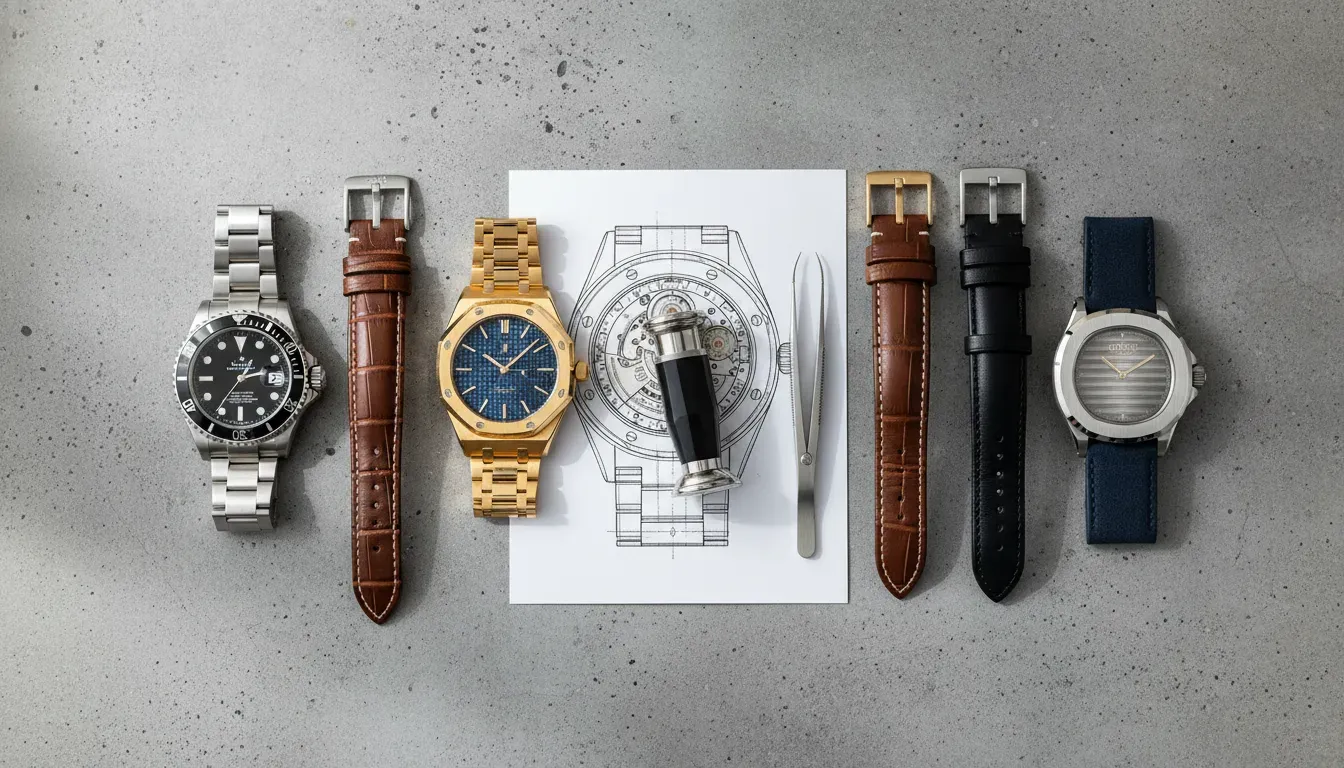
So, you’ve decided to take the plunge. You want a mechanical masterpiece of your own. Where do you start? Dropping thousands of dollars on a timepiece is a significant milestone, and making an educated choice is paramount.
In-House Movements vs. Ébauches
When shopping for automatic luxury watches, you’ll hear the term “in-house movement” thrown around a lot. This simply means the brand designed and manufactured the internal mechanics themselves, rather than buying a pre-made movement (an ébauche) from a massive supplier like ETA or Sellita.
In-house movements command a premium. They carry prestige and exclusivity. However, there is absolutely nothing wrong with a high-grade ETA movement. They are workhorses—reliable, accurate, and relatively cheap to service. If you are just dipping your toes into the entry-level luxury market, an ETA or Powermatic movement is a brilliant choice.
For instance, if you want authentic Swiss heritage without the five-figure price tag, pieces like the Tissot Le Locle Powermatic 80 offer an incredible 80-hour power reserve and beautiful finishing that punches way above its weight class.
Choosing the Right Complications
In watchmaking, a “complication” is anything a watch does beyond telling the hours, minutes, and seconds.
- Date Window: The most common and useful complication.
- Chronograph: A built-in stopwatch. Highly complex to build mechanically.
- GMT: An extra hand that tracks a second time zone. Perfect for frequent travelers.
- Perpetual Calendar: A mechanical brain that knows how many days are in each month, including leap years, and won’t need to be manually adjusted until the year 2100.
Don’t buy complications just for the sake of having them. A clean, time-only dial often presents the most elegant profile for dress watches. Buy the complication that fits your lifestyle.
The Art of Ownership: Care and Maintenance
Owning automatic luxury watches is a bit like owning a vintage sports car. You can’t just throw them in a drawer and expect them to run perfectly a decade later. They require a bit of thought, a bit of respect, and occasional professional intervention.
The Invisible Enemy: Magnetism
We live surrounded by magnets. iPad covers, laptop speakers, magnetic clasps on bags. While modern luxury watches are built with high-tech silicon hairsprings to resist magnetism, many older or more traditional pieces are highly susceptible.
If your automatic watch suddenly starts running five minutes fast a day, it hasn’t necessarily broken. It’s likely magnetized. The microscopic coils of the mainspring are sticking together, shortening the swing of the balance wheel. Thankfully, a watchmaker can demagnetize a watch in about five seconds, but it’s something to be aware of.

Water Resistance Myths
Just because your watch says “Water Resistant to 30 Meters” doesn’t mean you can scuba dive with it. In fact, you shouldn’t even swim with a 30m rated watch.
- 30m / 3 ATM: Splash resistant. Fine for washing your hands or getting caught in the rain.
- 50m / 5 ATM: Generally safe for light surface swimming, but experts often advise against it.
- 100m / 10 ATM: Safe for swimming, snorkeling, and water sports.
- 200m+ / 20 ATM+: True dive watch territory.
Crucially, water resistance degrades over time. The tiny rubber gaskets inside the crown and case back dry out. If you plan on getting your luxury piece wet, have it pressure tested by a watchmaker once a year.
The Service Interval
Inside your automatic movement are dozens of tiny pivot points, all lubricated with microscopic drops of specialized synthetic oils. Over five to ten years, those oils eventually dry up or become gummy. When that happens, the metal parts start grinding against each other.
A full service involves completely disassembling the watch down to its individual screws, cleaning off the old oil, reassembling, re-lubricating, and regulating the timing. It’s an intensive process that can cost anywhere from $500 to $2,000 depending on the brand and complexity. Factor this into your long-term ownership costs.
When you aren’t wearing your pieces, store them properly. A beautiful collection deserves a beautiful display. Investing in a premium case, like the Rothwell 10 Slot Leather Watch Box, protects your watches from dust and accidental drops while letting you admire your lineup. If you prefer to keep the movements running, brush up on how to use a watch winder to ensure you aren’t over-stressing the slip springs.
The Verdict: More Than Just Time
So, we return to the core question. Are automatic luxury watches worth the extravagant price tags, the expensive maintenance, and the delicate handling?
If you view a watch purely as a utilitarian device, then no.
But if you view a watch as an extension of your personality? If you appreciate the stubborn romanticism of a mechanical heartbeat in a digital age? Then absolutely. Automatic luxury watches are talismans. They are physical markers of milestones—a graduation, a marriage, a major promotion. They sit on our wrists during the most important moments of our lives, silently absorbing our history, ticking away the seconds, waiting patiently to be passed down to someone who will love them just as much.