Beyond Rolex: How Cartier and Vacheron Constantin are Dominating the New Market Upturn
Discover why collectors are shifting from Rolex to Cartier and Vacheron Constantin as the luxury watch market experiences a massive, design-driven upturn.
Oct 24, 2023 - Written by: Brahim amzil
Beyond Rolex: How Cartier and Vacheron Constantin are Dominating the New Market Upturn
Cartier and Vacheron Constantin are dominating the new luxury watch market upturn because collectors are aggressively pivoting away from mass-produced, hype-driven models toward distinctive design language and elite horological craftsmanship. As overall watch sales rebound from recent corrections, buyers are heavily rewarding Cartier’s timeless aesthetic variety and Vacheron Constantin’s exclusive “Holy Trinity” pedigree. This massive shift in consumer taste is fueling unprecedented secondary market premiums and retail waitlists for both historic maisons, proving that modern collectors value unique heritage over ubiquitous status symbols.
For the better part of a decade, the luxury watch conversation felt like a broken record. Rolex. Patek Philippe. Audemars Piguet. Rinse and repeat. You couldn’t walk into a boardroom or scroll through Instagram without seeing a steel Daytona or a Royal Oak. But the tides of high horology are notoriously fickle.
The luxury watches sales upturned recently, defying the gloomy economic forecasts of the past year. Yet, the money isn’t flowing back into the same old channels. The market has matured. The fast-money flippers have largely exited, leaving behind a core base of genuine enthusiasts and savvy investors who are looking for something different. They want history. They want art. They want the quiet confidence of a watch that doesn’t need to scream its price tag from across the room.
The Luxury Watch Sales Upturn: A Shift in the Winds
To understand what’s happening right now, you have to look at the numbers. Following the dramatic peak and subsequent cooling of the watch market in 2022, many predicted a long, brutal winter for Swiss watch exports. They were wrong.
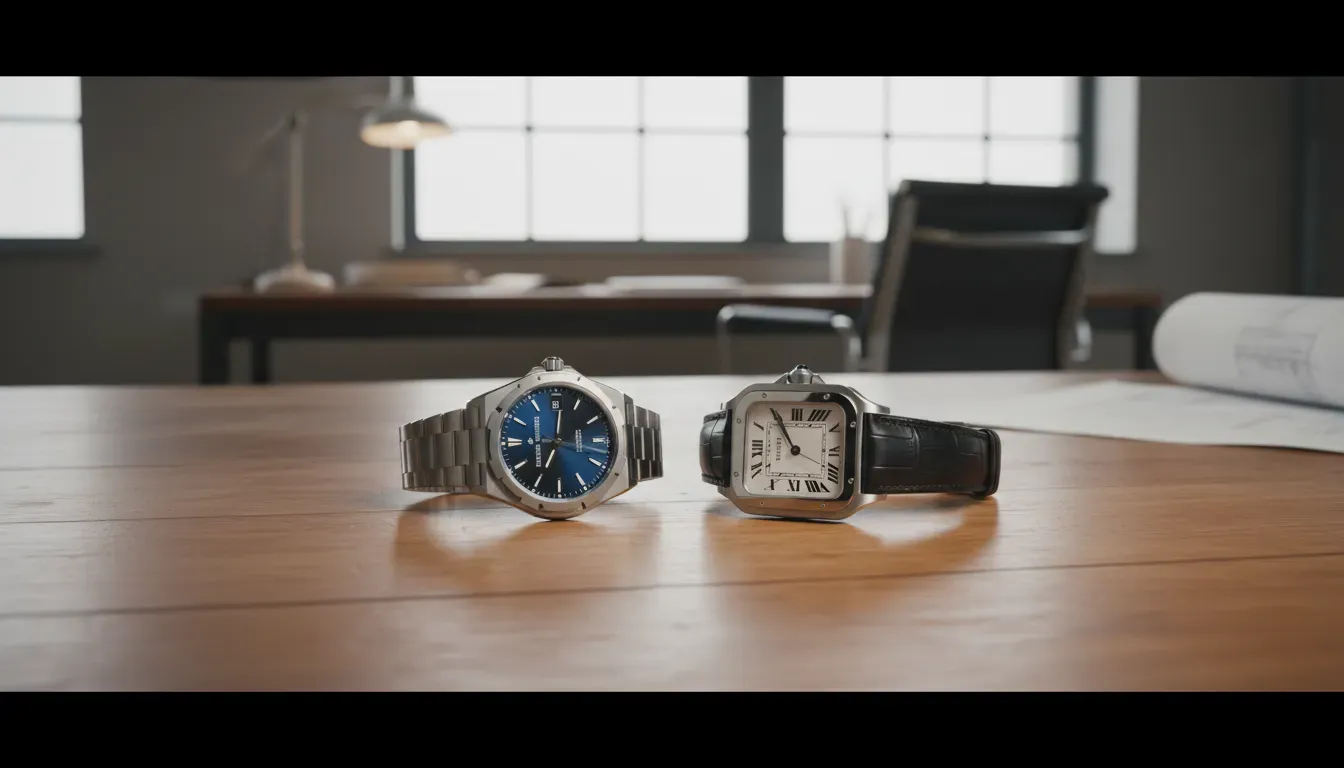
Sales have sharply rebounded, but the distribution of those sales looks completely different today. We are witnessing a definitive flight to quality and uniqueness. Buyers who previously sat on multi-year waitlists for a standard Rolex Submariner woke up and realized they had other—often better—options at the same price point.
This current upturn isn’t being driven by crypto billionaires buying up steel sports watches at triple their retail value. It’s driven by a refined appreciation for watchmaking as an art form. People are studying the archives. They are reading up on case-making techniques and movement finishing. When you start caring about those details, a standard mass-produced dive watch suddenly loses a bit of its luster. You start looking for the extraordinary.
Why Rolex Fatigue is Real
Let’s get one thing straight. Rolex makes phenomenal watches. They are the benchmark for reliability, durability, and brand recognition. But that absolute ubiquity is exactly the problem.
When everyone has a Rolex, nobody stands out.
Imagine showing up to a black-tie gala and finding out half the room is wearing the exact same tuxedo. That’s what the luxury watch world felt like by late 2021. Add in the frustrating retail experience—empty display cases, arrogant authorized dealers demanding you buy thousands of dollars in unwanted jewelry just to get “on a list”—and you have the perfect recipe for consumer fatigue.
Collectors got bored. They got tired of playing games. And when they started looking around the landscape of understanding the Holy Trinity of watches and historic jewelers, two names stood out above the rest, ready to absorb this massive wave of displaced capital.
Cartier: The Triumph of Design Over Specifications
For years, watch snobs turned their noses up at Cartier. “It’s a jewelry brand,” they scoffed, obsessing over their chronometer certifications and water resistance depth ratings.
Oh, how the tables have turned.
Cartier is currently eating the watch market alive. They have ascended to become the second-largest watch brand in the world by revenue, and they did it entirely on their own terms. While other brands spent the last decade trying to make the perfect round, steel sports watch, Cartier doubled down on what they do best: unparalleled, unapologetic design.
They sell shapes. Squares. Rectangles. Ovals. Whatever the hell the Crash is. Cartier understands that a watch is fundamentally an emotional purchase, an expression of personal style.
The Master of Shapes
Take the Cartier Santos. It’s arguably the first true pilot’s watch, designed in 1904 for Alberto Santos-Dumont so he could check the time without taking his hands off the controls of his early aircraft. It has a legitimate, badass history. Yet it looks incredibly elegant.
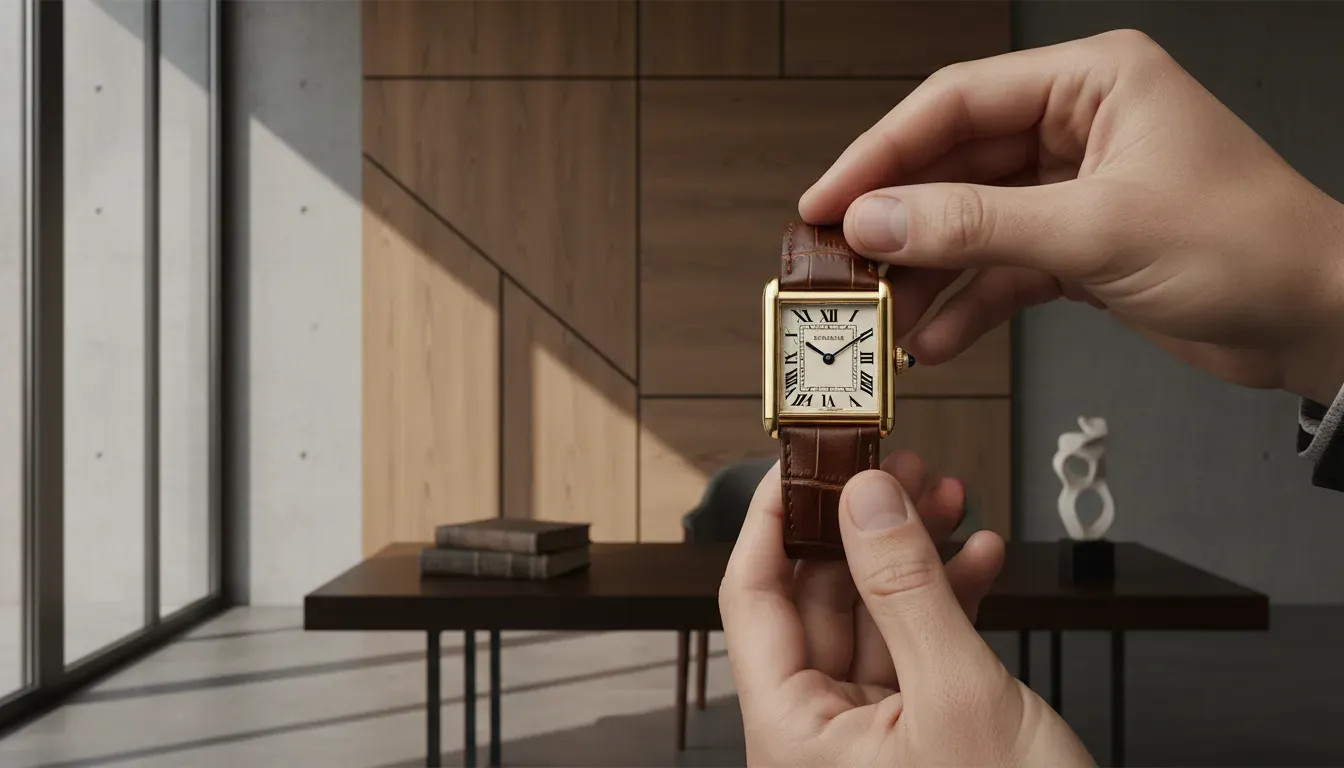
Then you have the Tank. Louis Cartier designed it in 1917, inspired by the top-down view of Renault tanks on the Western Front. It has graced the wrists of everyone from Muhammad Ali to Princess Diana, from Andy Warhol to Tyler, the Creator. Warhol famously said he didn’t even wind his Tank; he wore it simply because “it’s the watch to wear.”
In today’s market, where “quiet luxury” reigns supreme, a gold Tank Louis or a sleek Santos Dumont signals a level of refined taste that a hulking steel diver simply cannot match. Collectors are aggressively hunting down rare Cartier pieces—like the ultra-exclusive Crash, which has seen auction results blast past the million-dollar mark, or the beautifully asymmetrical Cloche. Cartier didn’t just survive the market correction; they used it to completely re-establish themselves as the ultimate tastemaker in horology.
Vacheron Constantin: The Sleeping Giant Awakens
If Cartier is the king of design, Vacheron Constantin is the undisputed master of pedigree.
Founded in 1755, Vacheron is the oldest watchmaker in continuous operation. They are a founding member of the “Holy Trinity” of Swiss watchmaking, alongside Patek Philippe and Audemars Piguet. Yet, for a long time, Vacheron was treated like the quiet, nerdy brother of the trio. Patek had the Nautilus. AP had the Royal Oak. Vacheron had… spectacular watches that flew completely under the radar.
Not anymore.
As Nautilus and Royal Oak prices detached entirely from reality, serious collectors realized Vacheron Constantin was offering equivalent—and often superior—hand-finishing and movement architecture for a fraction of the hype-inflated price.
The Overseas and the 222
The Vacheron Constantin Overseas has finally taken its rightful place at the top of the luxury steel sports watch food chain. The caliber 5100 is a masterpiece of finishing. The Maltese cross bezel is aggressive yet sophisticated. And unlike its competitors, Vacheron brilliantly engineered a quick-release strap system, allowing owners to swap from a steel bracelet to a rubber or leather strap in seconds. It’s a level of user-friendliness that the rest of the Holy Trinity simply ignored.
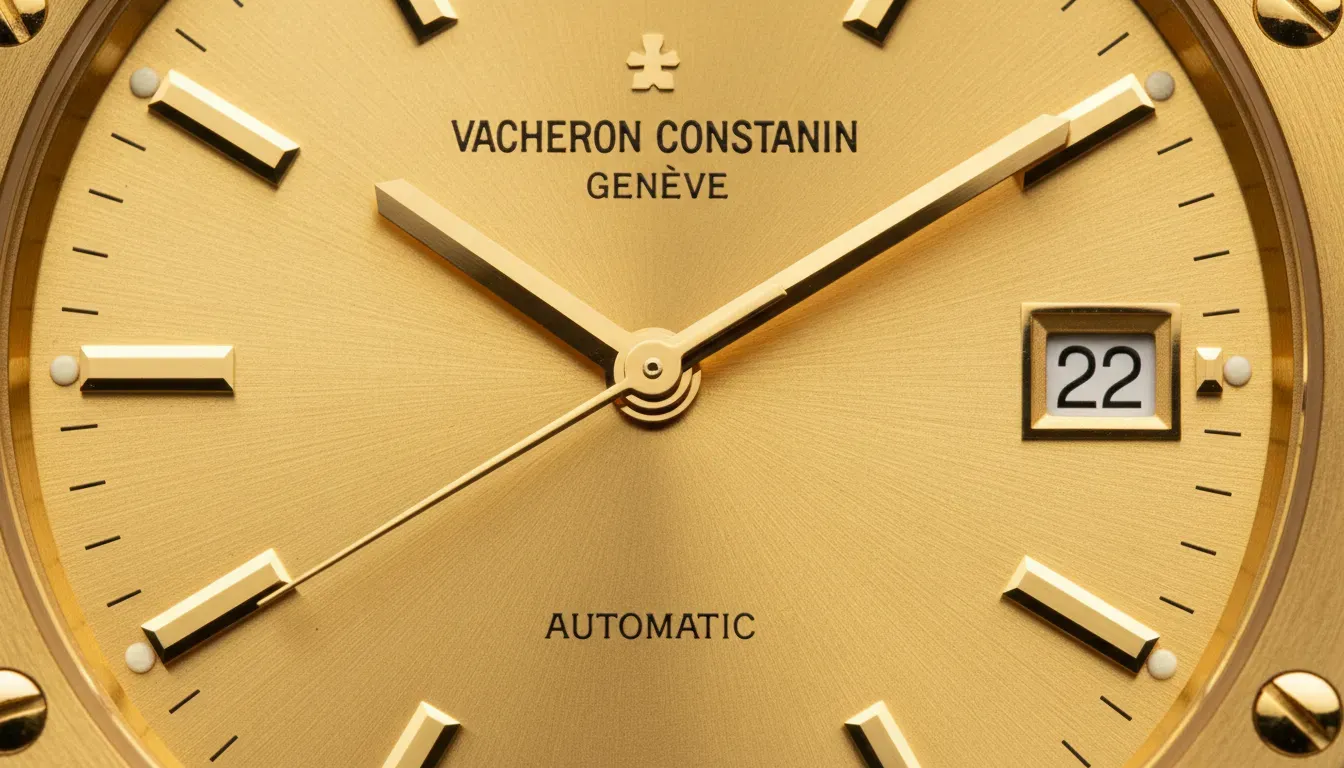
But the real watershed moment for Vacheron happened recently with the reissue of the Historiques 222. A solid yellow gold, integrated bracelet sports watch that looks like it stepped straight out of a 1970s Riviera fever dream. When it launched, it broke the watch internet. It became an instant grail, worn by celebrities and titans of industry, signaling that Vacheron had finally figured out how to market its incredible archives to a modern audience.
Vacheron Constantin represents the ultimate “If you know, you know” flex. It doesn’t attract unwanted attention on the street, but slide it out from under a cuff at a watch meetup, and the room goes silent. That kind of stealth wealth is exactly what is driving the top end of the luxury watch sales upturned market today.
What This Means for Collectors and Investors
So, where do we go from here?
The paradigm has shifted. A rising tide lifts all boats, but the current flowing into Cartier and Vacheron Constantin is a tidal wave. For the collector, this means the playing field has widened. You no longer have to beg an AD for permission to spend your own money on a steel sports watch to be considered a “serious” collector.
Building a diverse, interesting collection is the new standard. A perfect three-piece collection today might look like a Vacheron Constantin Overseas for daily wear, a gold Cartier Tank Louis for formal events, and perhaps a rugged vintage piece for the weekends. It shows thought. It shows taste.
If you are looking at how to start a luxury watch collection, my advice is to ignore the hype cycles of the past five years. Buy the design. Buy the history. Look at what Cartier is doing with the Privé collection, resurrecting obscure case shapes in limited numbers. Look at Vacheron’s Traditionnelle line, which offers some of the finest traditional movement finishing available for under $30,000.
Essential Watch Care for Your Growing Collection
As you pivot your collection toward these high-horology and design-focused pieces, proper maintenance becomes critical. You aren’t just buying watches anymore; you are curating heirlooms. A Vacheron Constantin movement or a polished gold Cartier case requires a different level of respect than a tool watch.
Here is what you need to keep your elevated collection in pristine condition:
1. Keep the Complications Running When you step up to perpetual calendars or complex complete calendars from high-end maisons, setting them after they die is a massive headache. You need a reliable, high-quality winder that won’t magnetize your movements. The WOLF Heritage Single Watch Winder is the industry standard. It counts exact rotations, ensuring your delicate Vacheron mechanism is kept perfectly wound without overwinding.
2. Travel with Confidence Throwing a $20,000 gold Cartier in a gym bag is a cardinal sin. If you are traveling, you need structured, crush-proof protection. I highly recommend the Rothwell Leather Watch Roll Travel Case. The sliding cushions prevent the watches from banging into each other, which is absolutely vital when you’re dealing with high-polish precious metals that scratch easily.
3. Master the Strap Change If you own a Cartier Tank or Santos (without the QuickSwitch system) and want to play around with different leather straps to match your shoes or belt, do not use a cheap tool. One slip will leave a devastating gouge in your lugs. Invest in the Bergeon 7825 Spring Bar Tweezers. It compresses both sides of the spring bar simultaneously, allowing you to pop the strap out safely and cleanly like a professional watchmaker.
The Future Landscape of High Horology
The current luxury watch sales upturn is proving to be one of the healthiest things to happen to the industry in decades. By moving past the Rolex-centric monoculture, collectors are forcing the entire Swiss watchmaking industry to elevate its game.
Brands can no longer rely on slight dial color variations of a sixty-year-old dive watch to drive record profits. Consumers are smarter now. They are demanding actual creativity. They want the daring geometry of a Cartier Pebble. They want the immaculate, Geneva Seal-certified finishing of a Vacheron Constantin chronometer.
We are entering a golden age of horological appreciation. The flippers have gone back to day-trading stocks, leaving the watch world to those who actually love watches. And the brands that respect their own heritage, prioritize breathtaking design, and refuse to compromise on finishing are the ones reaping the massive rewards.
Rolex will always wear the crown. They will always sell millions of watches. But true dominance in today’s sophisticated market isn’t just about volume. It’s about prestige, artistry, and the undeniable allure of the extraordinary. Right now, Cartier and Vacheron Constantin are holding court, and the rest of the industry is taking notes.