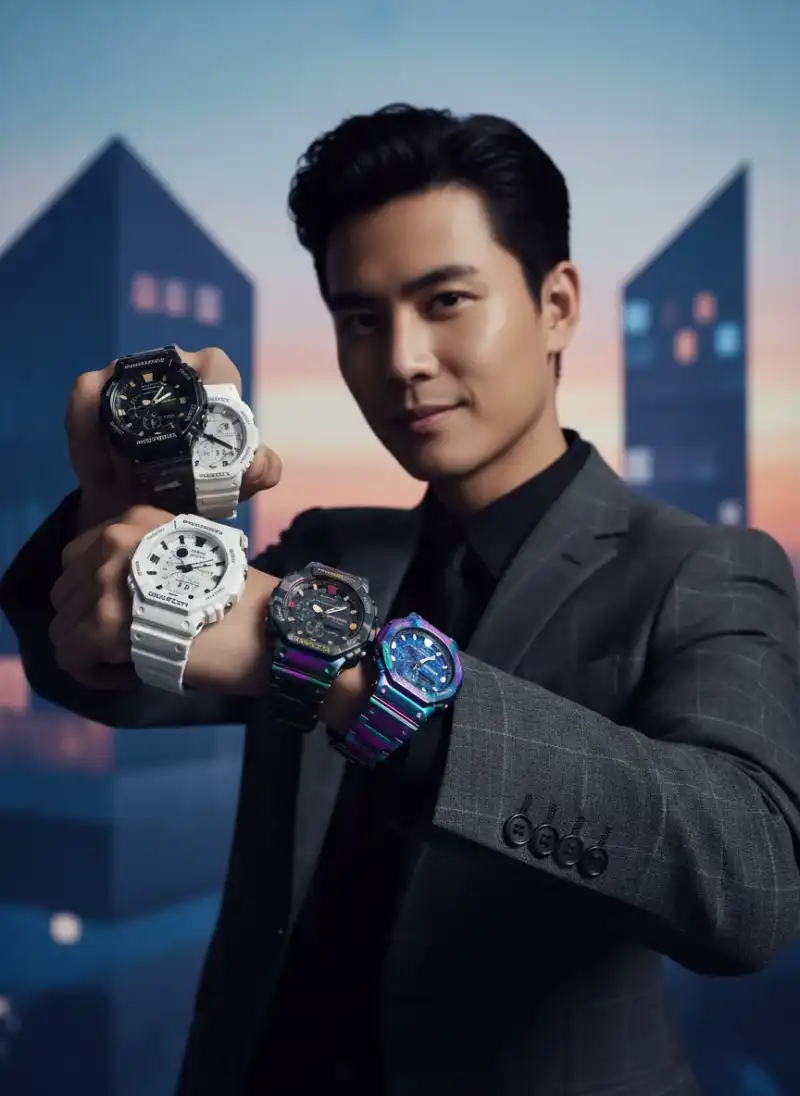
Smartwatches & Utility
From cutting-edge health tracking wearables to indestructible God-tier G-Shocks, explore watches built for function, fitness, and modern utility.
The Ultimate Guide to Smartwatches, Fitness Trackers, and Utility Timepieces
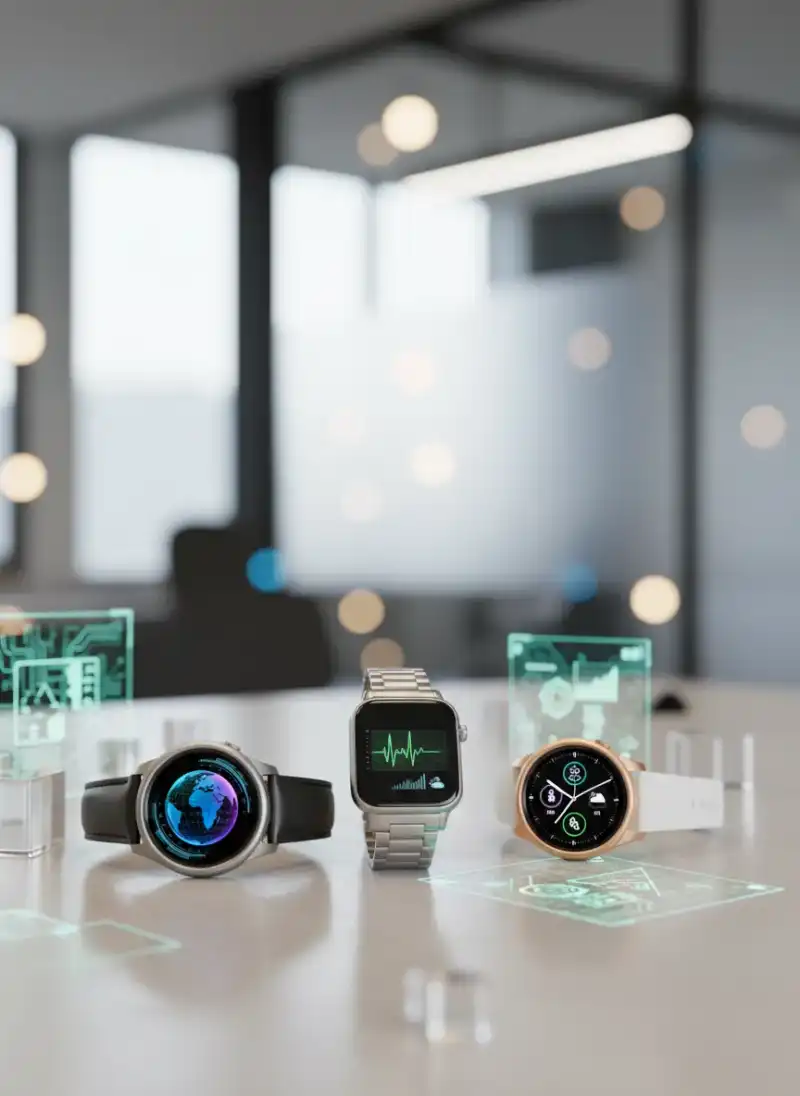
In the modern era, the wristwatch has evolved far beyond its original purpose of merely telling time. Today, the wrist is premium real estate for wearable technology, biometric tracking, and indestructible utility. This pillar page is your ultimate guide to the digital revolution of horology. From the ubiquitous Apple Watch to the legendary toughness of Casio's G-Shock, we explore the devices that are fundamentally changing how we interact with technology, monitor our health, and survive in extreme environments. Whether you are an elite athlete, a tech enthusiast, or an outdoor adventurer, understanding the landscape of smartwatches and utility timepieces is crucial to finding the perfect tool for your wrist.
The Evolution of the Smartwatch: From Novelty to Necessity
The concept of a "smart" watch is older than many realize, with early iterations appearing in the 1980s featuring basic calculators and databanks. However, the true smartwatch revolution began in the early 2010s with the introduction of devices like the Pebble. These early models proved that consumers wanted notifications and connectivity directly on their wrists. Today, the smartwatch has transitioned from a tech novelty to an absolute necessity for millions of people. Modern smartwatches serve as extensions of our smartphones, allowing us to answer calls, reply to texts, navigate city streets via GPS, and even make contactless payments. The integration of voice assistants like Siri, Google Assistant, and Alexa has further reduced our reliance on pulling our phones out of our pockets, creating a more seamless and connected daily experience.
The Apple Watch: The Industry Disruptor
No conversation about smartwatches can occur without addressing the undisputed king of the category: the Apple Watch. Since its launch in 2015, the Apple Watch has not only dominated the smartwatch market but has also surpassed the entire Swiss watch industry in terms of annual sales volume. Apple's success lies in its flawless ecosystem integration, intuitive watchOS interface, and relentless focus on health and fitness. The introduction of features like the ECG app, irregular heart rhythm notifications, blood oxygen monitoring, and fall detection has transformed the Apple Watch from a communication device into a life-saving medical tool. With the recent addition of the Apple Watch Ultra, Apple has aggressively entered the extreme sports market, challenging established utility brands with a rugged titanium case, extended battery life, and precision dual-frequency GPS.
Garmin and the Rise of the Fitness Super-Computer
While Apple dominates the mainstream, Garmin rules the realm of serious athletics and outdoor exploration. Garmin smartwatches, particularly the Fenix, Epix, and Forerunner series, are less about checking emails and more about optimizing human performance. These devices are essentially wrist-mounted super-computers designed for runners, triathletes, hikers, and pilots. Garmin's edge lies in its incredibly sophisticated metrics: VO2 max estimation, training load focus, recovery time advisors, and Body Battery energy monitoring. Furthermore, Garmin utilizes transflective Memory-in-Pixel (MIP) displays and solar charging technology to achieve battery life measured in weeks, rather than hours—a critical requirement for ultra-marathoners and backcountry hikers who spend days away from a power outlet.
The Indestructible Appeal of G-Shock: The "God Tier" Watch
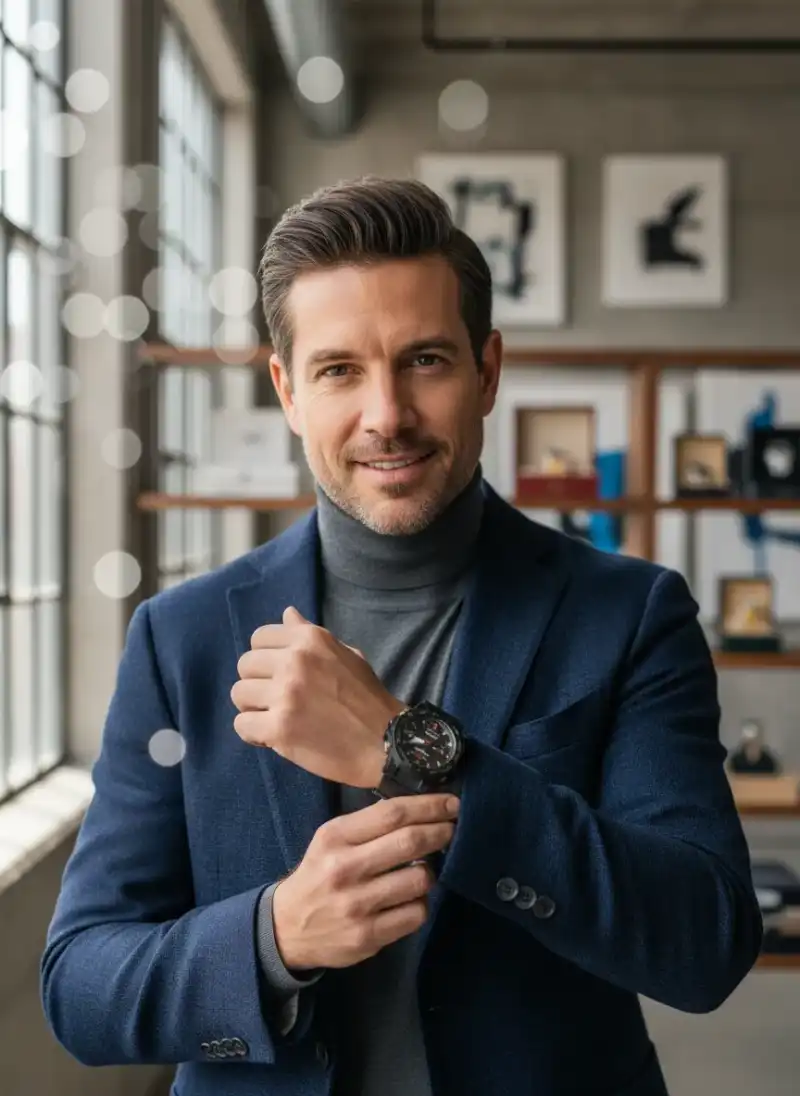
In a category distinct from connected smartwatches sits the ultimate utility timepiece: the Casio G-Shock. Conceived in 1983 by Kikuo Ibe under the philosophy of creating a "watch that never breaks," the G-Shock has achieved legendary, "God-tier" status among enthusiasts and professionals alike. G-Shocks are the watch of choice for military personnel, law enforcement, first responders, and extreme athletes because they offer absolute reliability in the harshest conditions on Earth. With features like 200-meter water resistance, extreme shock resistance, mud resistance, and solar-powered quartz movements (Tough Solar), a G-Shock is a piece of gear you buy for life. Furthermore, with the introduction of the 2100 series (affectionately dubbed the "CasiOak") and full-metal models, G-Shock has successfully bridged the gap between pure utility and highly coveted streetwear fashion.
Wear OS and the Android Ecosystem
For users outside the Apple ecosystem, Google's Wear OS provides the platform for a diverse array of Android-compatible smartwatches. Brands like Samsung (with their highly successful Galaxy Watch series), Google (with the Pixel Watch), and even traditional fashion brands like Fossil and Tag Heuer utilize Wear OS. Samsung's transition from their proprietary Tizen OS to Wear OS 3 marked a significant turning point, bringing the Google Play Store and a massive app ecosystem to the Galaxy Watch. The Android smartwatch space is characterized by hardware diversity; consumers can choose from rotating physical bezels, varying case sizes, and diverse aesthetic designs, ensuring there is a smartwatch to fit every personal style and technical requirement.
Battery Life: The Ultimate Smartwatch Bottleneck
The single greatest limitation of modern smartwatches is battery life. Unlike a mechanical watch that runs indefinitely as long as it is worn, or a quartz watch that lasts for years on a single battery, most full-featured OLED smartwatches require daily charging. This "battery anxiety" is the main reason many consumers abandon smartwatches. However, the industry is aggressively tackling this bottleneck. We are seeing the implementation of more efficient processors, advanced power management software, and the integration of solar panels into the display glass (as seen in Garmin's Solar models and some high-end G-Shocks). The ultimate goal of the industry is a fully connected, vibrant-display smartwatch that can confidently last a full week without needing a charger.
Health Tracking and the Quantified Self
The most profound impact of the smartwatch revolution is the popularization of the "quantified self"—the practice of meticulously tracking biometric data to optimize health and wellness. Modern smartwatches utilize photoplethysmography (PPG) sensors to track heart rate 24/7, analyze heart rate variability (HRV) to gauge stress levels, and monitor sleep stages (Deep, Light, and REM) to evaluate recovery. We are now seeing the integration of skin temperature sensors for advanced cycle tracking and the tantalizing, though yet unperfected, promise of non-invasive blood glucose monitoring. By providing users with a constant stream of actionable health data, smartwatches are shifting healthcare from a reactive model to a proactive, preventative approach.
Hybrid Smartwatches: The Best of Both Worlds?
For those who desire the connectivity and health tracking of a smartwatch but refuse to give up the classic aesthetic of a traditional analog dial, the "Hybrid Smartwatch" offers a compelling compromise. Brands like Withings and Frederique Constant produce watches that feature physical, mechanical hands sweeping over a beautifully designed dial, while quietly housing a suite of sensors underneath. Notifications and health metrics are often displayed on a small, unobtrusive digital sub-dial or communicated via haptic feedback and moving the analog hands to specific positions. Hybrids offer the elegance of a dress watch with the utility of a fitness tracker, often boasting battery life that lasts for weeks or months since they do not rely on power-hungry OLED screens.
Are Smartwatches a Threat to Traditional Horology?
When the Apple Watch first launched, many predicted the death of the traditional Swiss watch industry, drawing parallels to the Quartz Crisis of the 1970s. However, the reality has been far more nuanced. While the lower-end fashion watch market (watches priced under $500) has been severely impacted by smartwatches, the luxury mechanical sector has actually seen explosive growth. Smartwatches have accustomed a younger generation to wearing something on their wrist, serving as a gateway drug to horology. Furthermore, the ubiquity of the smartwatch has amplified the appeal of the mechanical watch; in a world dominated by screens, planned obsolescence, and constant digital interruption, a mechanical watch is a rebellious statement of permanence, craftsmanship, and analog beauty. Many collectors now practice "double-wristing" or alternate between a smartwatch for the gym and a mechanical watch for the office.
The Future of Wearable Technology
The future of the smartwatch category is boundlessly exciting. We are moving toward a reality where the smartwatch may eventually replace the smartphone entirely as our primary computing device. As voice recognition becomes flawless and augmented reality (AR) glasses become mainstream, the smartwatch will serve as the central hub and biometric sensor suite for our personal area networks. We can expect even more advanced health diagnostics, seamless integration with smart home ecosystems, and perhaps even the return of flexible, wrap-around displays. Yet, amidst all this technological advancement, the fundamental utility of simply knowing the time, surviving a drop off a cliff, or tracking a marathon will remain the core foundation of these incredible wrist-worn tools.
Browse our extensive library of articles below to discover in-depth reviews, buying guides, and technical analyses of the best smartwatches, fitness trackers, and utility watches on the market today.