Watch Guides & Education
Level up your watch collecting game. Read our in-depth buying guides, maintenance tips, movement explanations, and head-to-head comparisons.
The Comprehensive Guide to Watch Collecting, Education, and Maintenance
Entering the world of horology can often feel like learning a new language. The industry is filled with complex terminology, deeply entrenched traditions, and passionate debates over mechanical superiority. Whether you are preparing to purchase your very first mechanical timepiece or you are a seasoned collector looking to refine your expertise, continuing your education is the key to making informed, satisfying decisions. This pillar page is dedicated to watch education and comprehensive guides. Here, we demystify the mechanics, decode the jargon, and provide you with the practical knowledge necessary to navigate the retail market, the secondary market, and the lifelong journey of watch ownership.
Understanding Watch Movements: Mechanical vs. Quartz
The engine of a watch is referred to as its "movement" or "caliber," and understanding the difference between movement types is the foundational lesson of watch collecting. Mechanical movements are powered by a coiled mainspring that slowly unwinds to drive a series of gears. They come in two varieties: manual wind (requiring daily winding by hand) and automatic (equipped with a rotor that winds the mainspring via the natural motion of your wrist). Mechanical watches are cherished for their craftsmanship, the romantic sweeping motion of the seconds hand, and their ability to function for centuries if properly maintained. Quartz movements, introduced in the 1960s, revolutionized the industry. They are powered by a battery that sends an electrical current through a tiny quartz crystal, causing it to vibrate at a precise frequency. Quartz watches are significantly more accurate, durable, and affordable than their mechanical counterparts, though they lack the traditional horological prestige.
The Debate: In-House vs. Ébauche Calibers
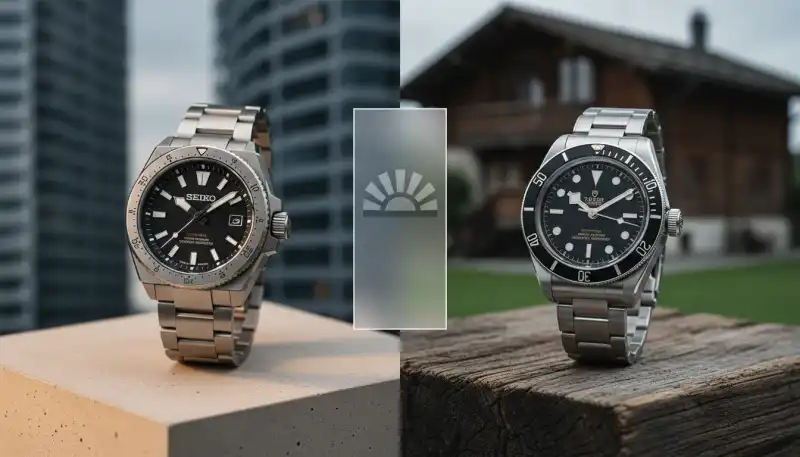
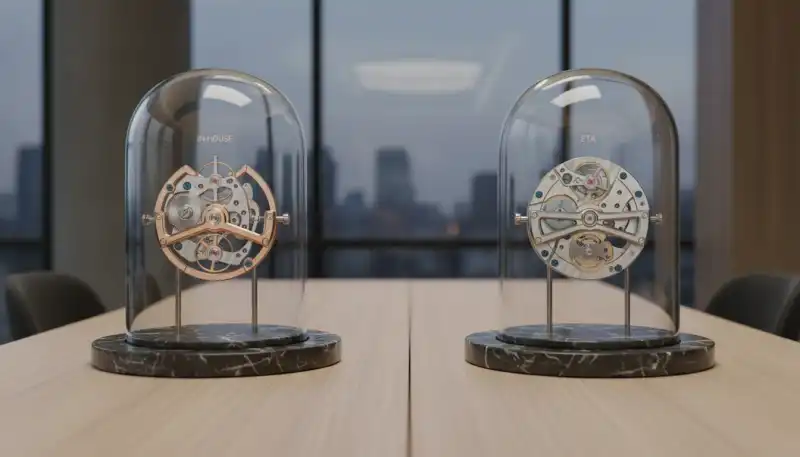
As you delve deeper into luxury watch specifications, you will encounter the terms "in-house" and "ébauche." An in-house movement is entirely designed, manufactured, and assembled by the brand whose name is on the dial (e.g., Rolex, Patek Philippe, Grand Seiko). Brands market in-house calibers as the ultimate expression of vertical integration and exclusivity, often commanding a premium price. Conversely, an ébauche is a base movement produced by a specialized third-party manufacturer (such as ETA, Sellita, or Ronda) which is then purchased, and sometimes heavily modified, by other watch brands (such as Tudor, IWC, or Breitling). While in-house movements offer unique architecture and prestige, third-party movements offer proven, battle-tested reliability and are significantly cheaper and easier to service since any competent independent watchmaker can source their parts.
Demystifying Watch Complications
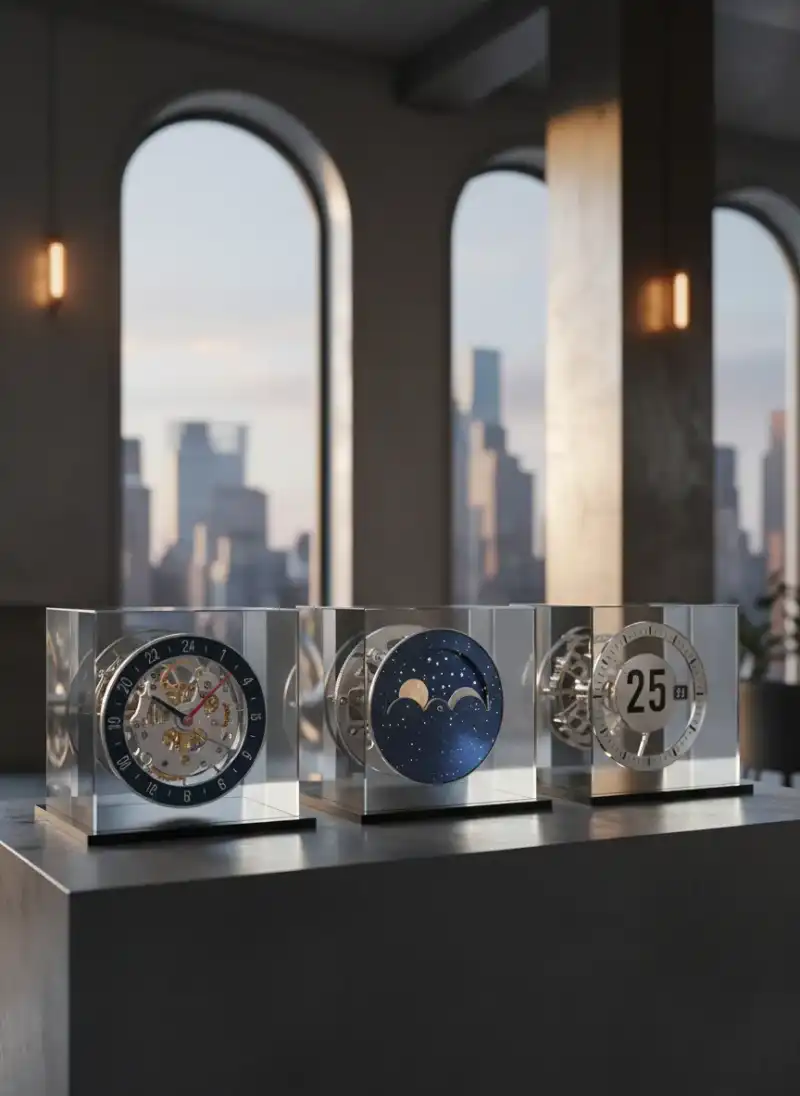
In horological terms, a "complication" is any function a watch performs beyond simply displaying the hours, minutes, and seconds. Understanding complications allows you to appreciate the staggering engineering required to miniaturize these functions. The most common complication is the Date display. A Chronograph acts as a mechanical stopwatch, allowing the wearer to measure elapsed time via sub-dials and dedicated pushers. A GMT (Greenwich Mean Time) watch features an additional hour hand that completes one rotation every 24 hours, allowing frequent travelers and pilots to track two or three time zones simultaneously. More esoteric complications include the Moonphase (tracking the lunar cycle), the Perpetual Calendar (automatically adjusting for months of different lengths and leap years), and the Minute Repeater (chiming the time audibly using tiny mechanical hammers and gongs).
Navigating the Pre-Owned and Vintage Watch Market
Buying a brand new watch from an Authorized Dealer (AD) offers a luxurious experience and full warranty protection, but it is often the most expensive route. The pre-owned and vintage market offers incredible opportunities for collectors to find discontinued models, secure better pricing, and discover unique pieces with historical provenance. However, the secondary market is fraught with risks. When buying vintage, condition is paramount—collectors must scrutinize the dial for original lume, check the case for over-polishing, and verify the service history of the movement. "Buying the seller" is the golden rule of the secondary market; always transact with reputable dealers who offer authenticity guarantees, return policies, and transparent condition reports.
How to Spot a Fake Luxury Watch
The counterfeit watch industry is highly sophisticated, producing "super-clones" that can fool even experienced enthusiasts at first glance. Protecting yourself requires a sharp eye and specific knowledge. When evaluating a watch, examine the weight—authentic luxury watches use high-grade steel, gold, or platinum and possess a distinct heft. Inspect the dial under magnification; luxury dials feature flawless typography, perfectly applied indices, and crisp printing, whereas fakes often show bleeding ink or misaligned elements. Listen to the movement; a high-end mechanical watch ticks rapidly (usually 8 times per second), creating a smooth sweep, while cheaper fakes may use quartz movements that "tick" once per second. Finally, verify the serial numbers, box, and papers, though be aware that even packaging is frequently counterfeited today. If a deal seems too good to be true, it almost certainly is.
The Truth About Watch Investments and Resale Value
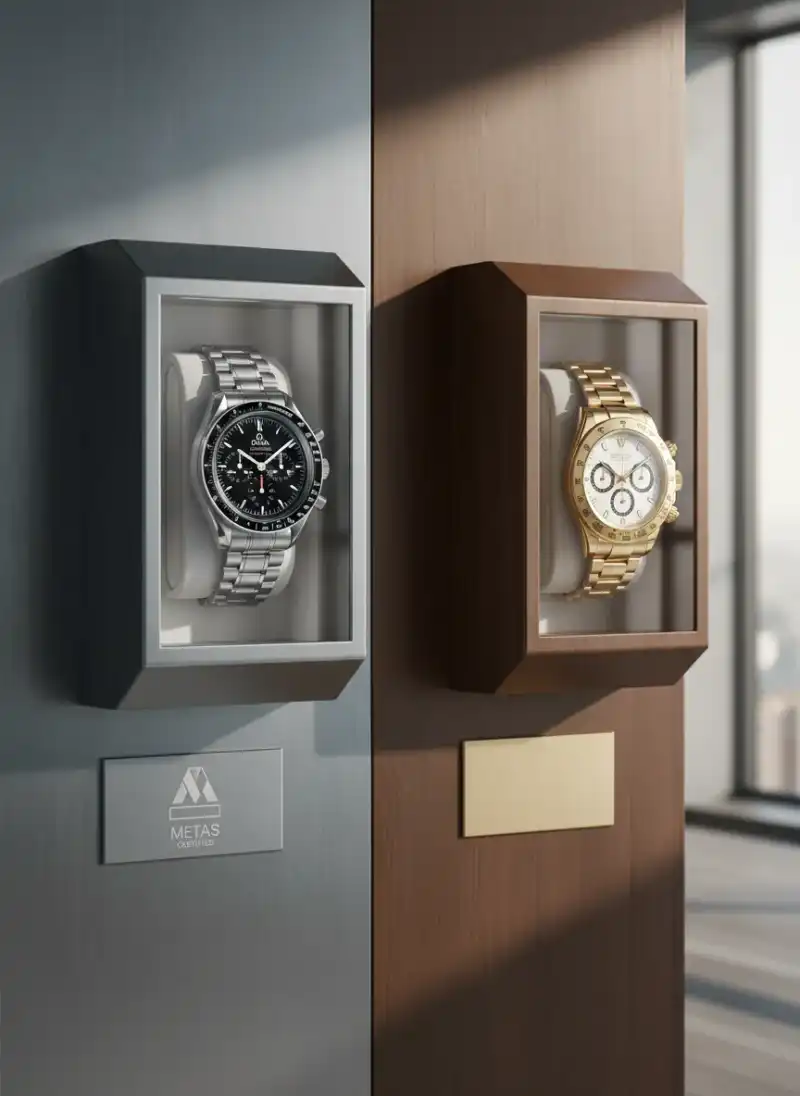
A common misconception among new buyers is that luxury watches are guaranteed financial investments. The reality is that the vast majority of watches lose 20% to 40% of their retail value the moment they leave the boutique. However, certain brands—specifically Rolex, Patek Philippe, and Audemars Piguet—have historically defied this trend, with specific steel sports models commanding massive premiums on the grey market due to artificial scarcity and overwhelming demand. When considering resale value, focus on brand heritage, iconic designs (like the Omega Speedmaster or Cartier Tank), and limited production runs. Nevertheless, the best advice for any collector is to buy a watch because you love it and intend to wear it, treating any potential financial appreciation as a pleasant bonus rather than a primary objective.
Watch Maintenance and Care 101
A mechanical watch is a complex micro-machine requiring regular maintenance to function optimally. Most manufacturers recommend a full service every 5 to 7 years. During a service, a watchmaker completely disassembles the movement, cleans every microscopic gear in an ultrasonic bath, reassembles the mechanism with specialized synthetic oils, and calibrates the accuracy. On a daily basis, owners should avoid exposing mechanical watches to extreme magnetic fields (such as resting them on laptops or near large speakers), which can magnetize the hairspring and cause erratic timekeeping. It is also crucial to rinse dive watches with fresh water after exposure to chlorine or salt water to prevent corrosion of the gaskets and the steel case.
Understanding Water Resistance Ratings
Water resistance ratings are perhaps the most misunderstood specifications in the watch industry. A watch labeled "30m" (or 3 ATM) is not designed for diving 30 meters deep; it is merely splash-resistant and can survive rain or hand-washing. A "50m" watch is suitable for light swimming, while a "100m" rating is generally considered the minimum requirement for snorkeling and water sports. For actual scuba diving, a watch should be rated to "200m" or higher and ideally feature a screw-down crown and an ISO 6425 certification. It is also vital to remember that water resistance is not permanent; the rubber O-ring gaskets degrade over time. If you plan to submerge your watch regularly, you must have its water resistance pressure-tested by a professional every year.
Finding the Perfect Watch Size for Your Wrist
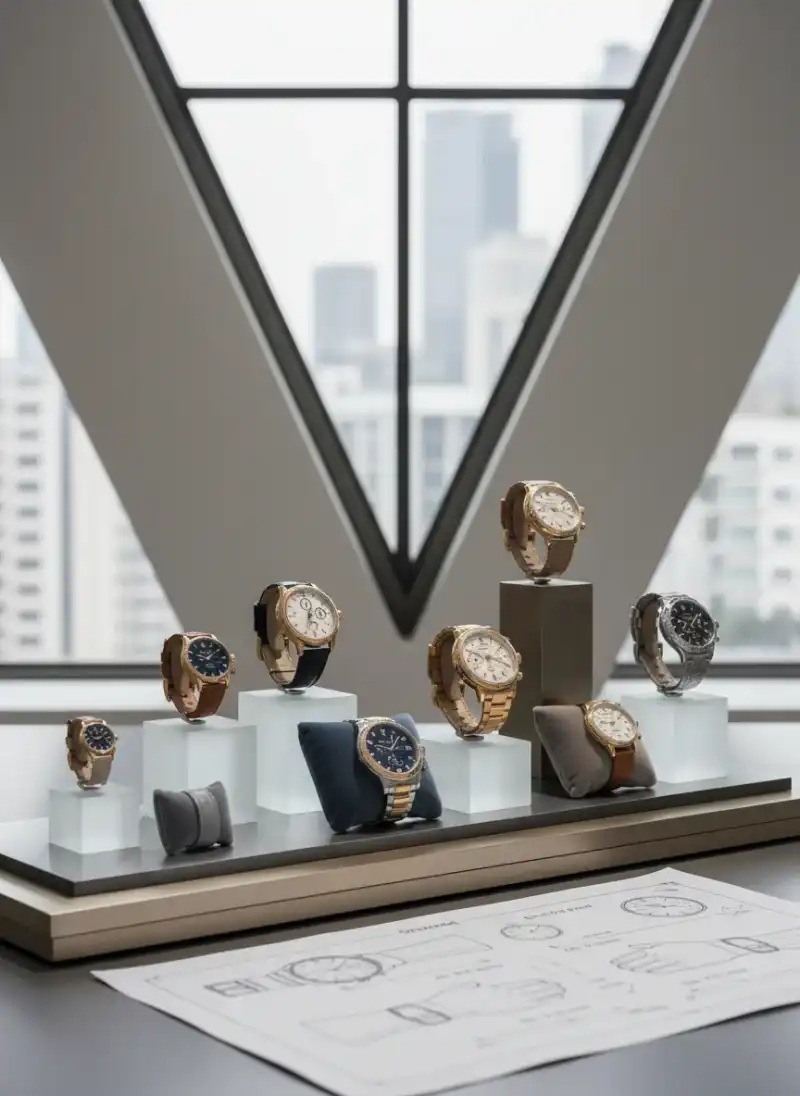
A beautiful watch can look entirely disproportionate if it is not properly sized for the wearer's wrist. While case diameter (e.g., 40mm) is the most commonly cited metric, the most critical dimension is actually the "lug-to-lug" distance—the measurement from the tip of the top lug to the tip of the bottom lug. If the lug-to-lug distance exceeds the flat width of your wrist, the watch will overhang, causing discomfort and looking ungainly. Furthermore, case thickness dictates whether a watch can comfortably slide under the cuff of a dress shirt. Finding the perfect fit requires balancing the proportions of the watch with the anatomy of your wrist, keeping in mind that vintage watches tend to wear smaller (34mm-36mm), while modern sports watches often wear larger (40mm-44mm).
Knowledge is the ultimate accessory for any watch collector. Browse our extensive selection of educational guides, detailed comparisons, and expert advice below to ensure your next horological decision is your best one.